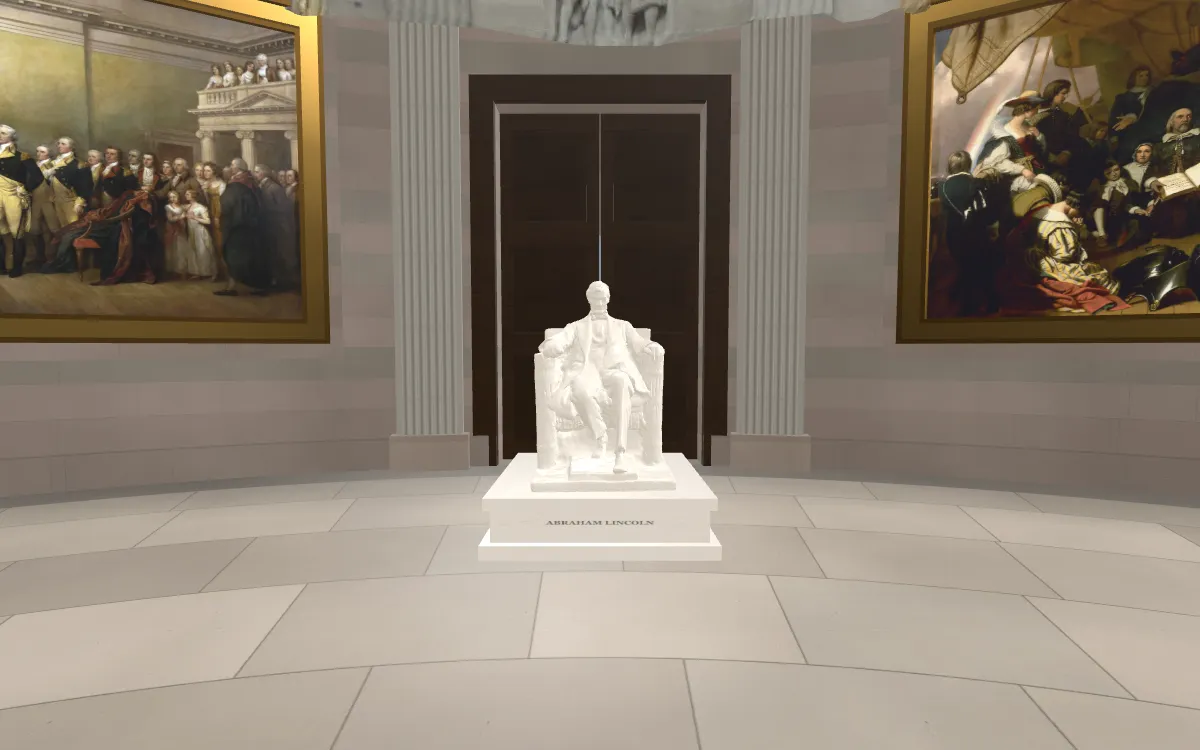
Hall 1 · 10 people
American Presidents
Capitol Rotunda, Washington, D.C.
George Washington, James Madison, Andrew Jackson and 7 more

Great people · The Agora of Ages
Twelve of the world’s great buildings, rebuilt in 3D, and 159 people who shaped history standing inside them. Step in, look up, and read their plaques.
Free, in your browser · keyboard, trackpad or touch
Inside the Agora
Go where you like, at your own pace: through the doors, under the domes, up to every figure.
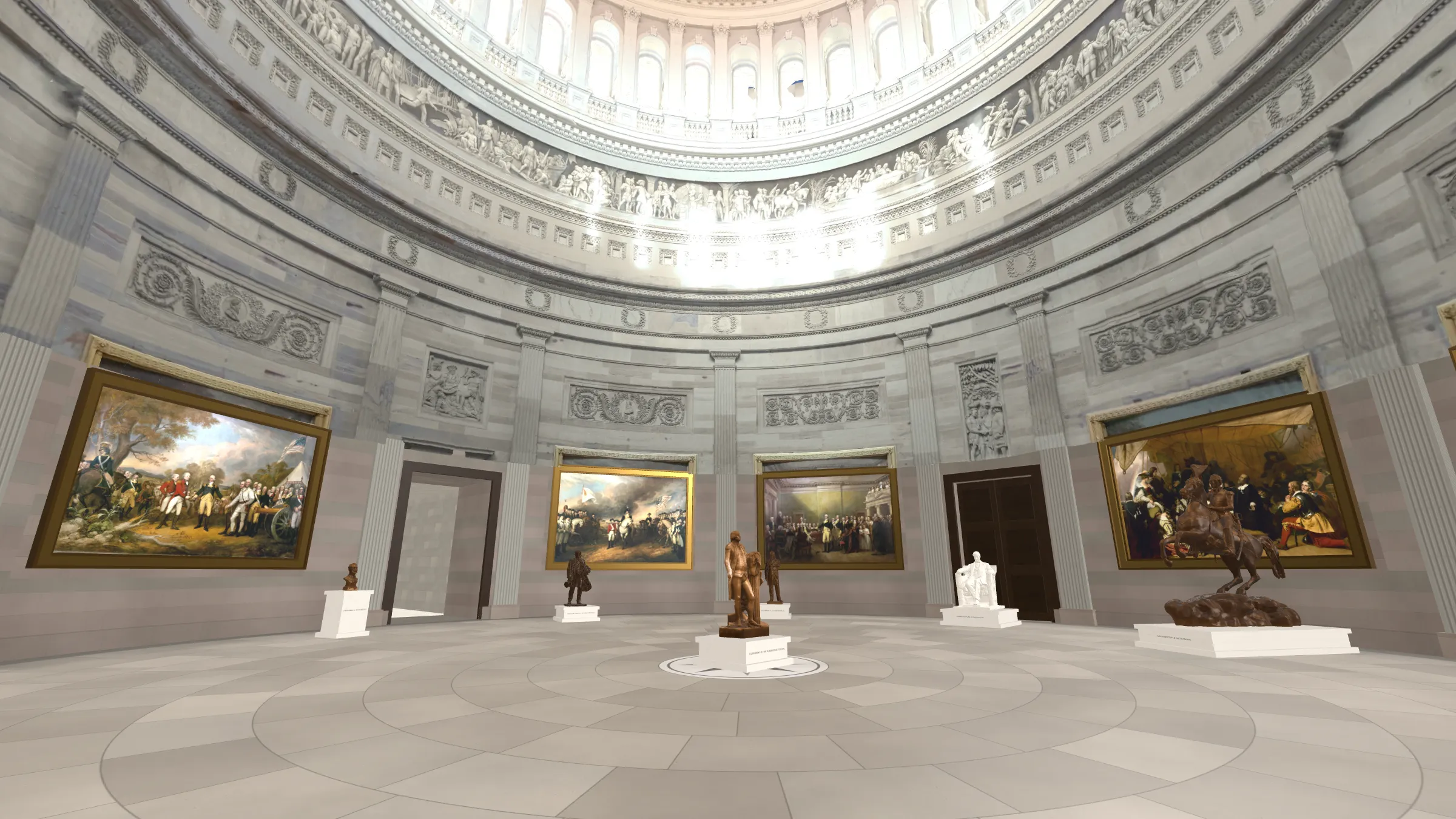
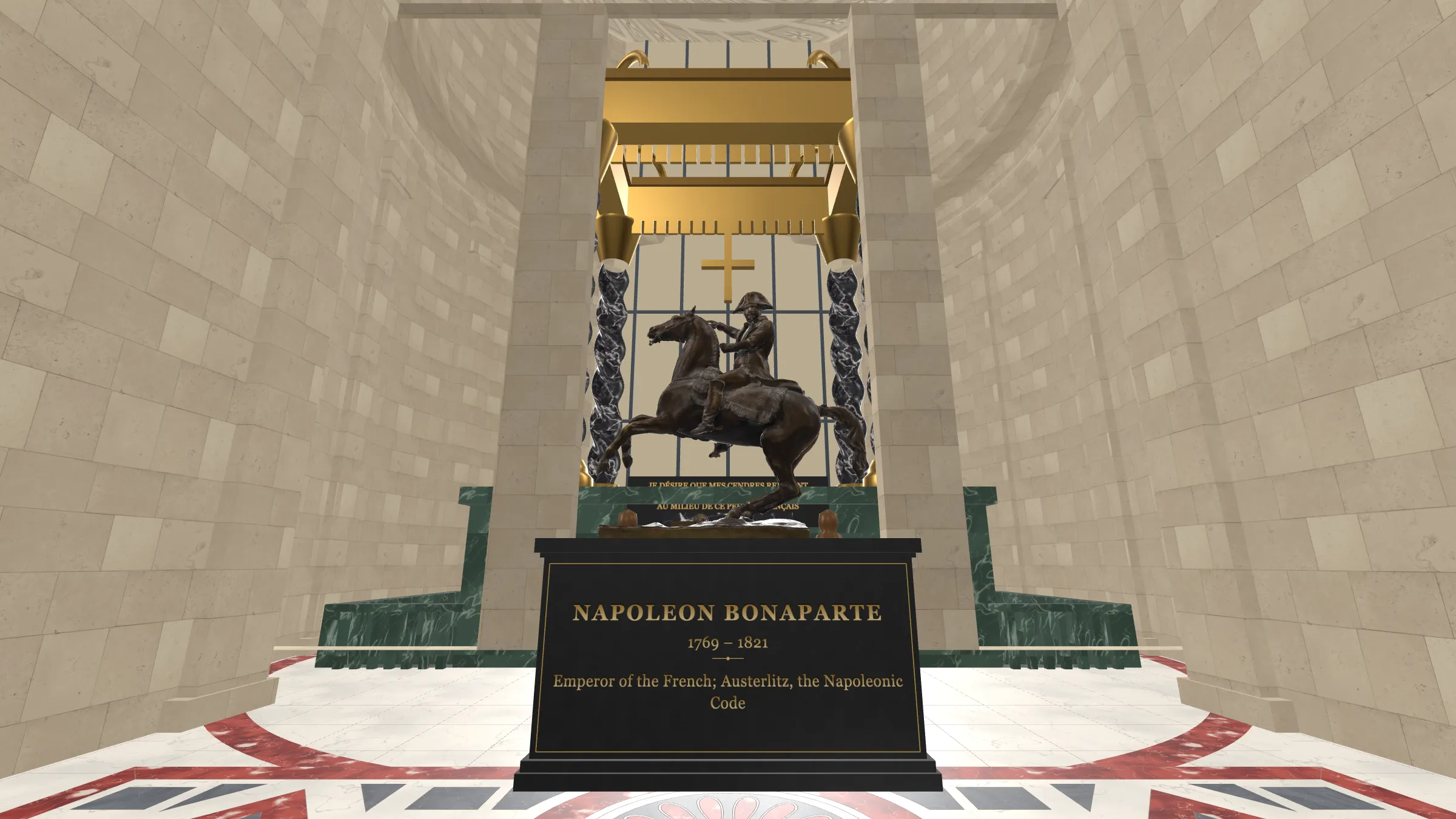
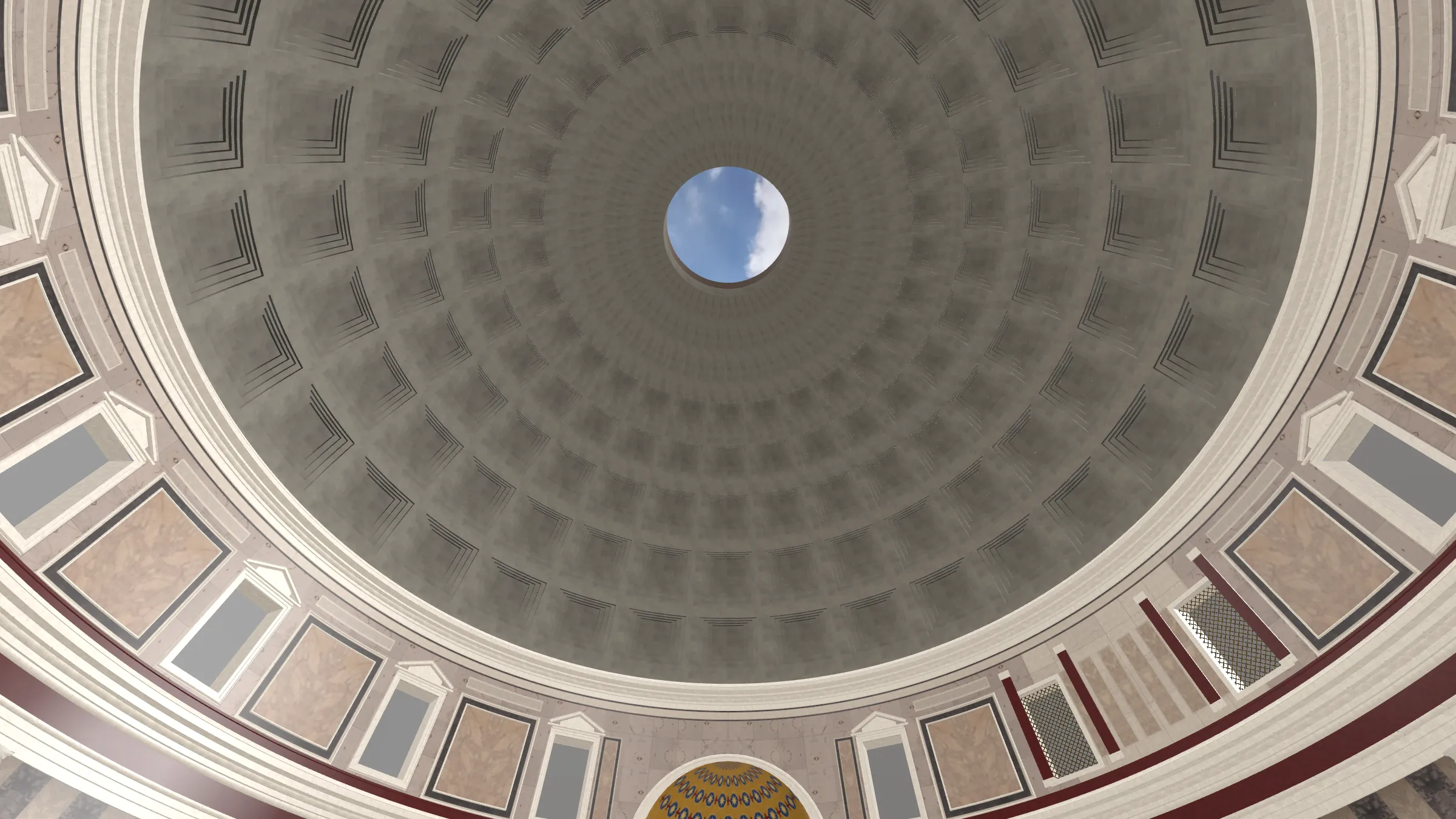
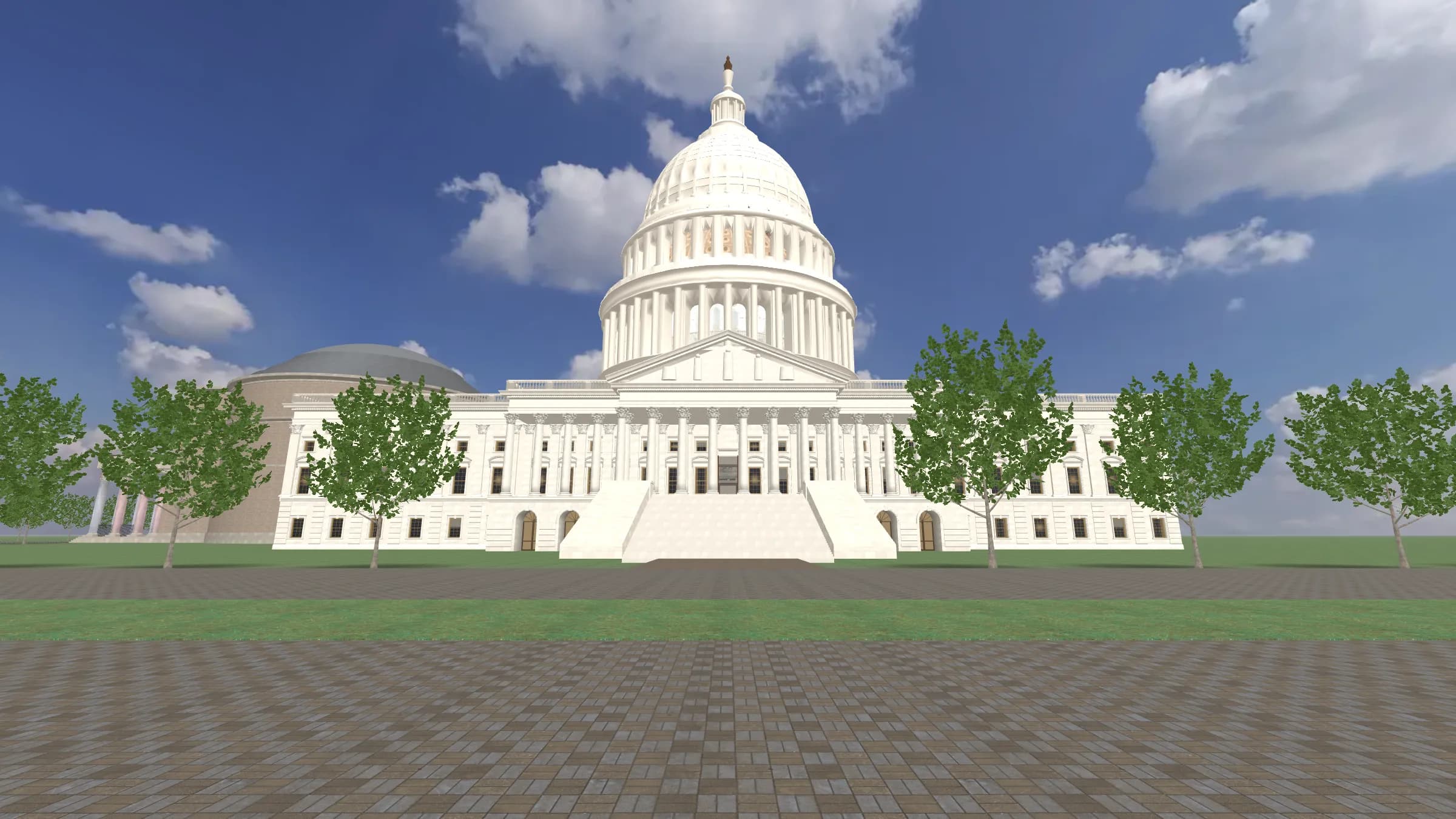
159 people who shaped history, from Caesar and Confucius to Lincoln and Marie Curie, each in a hall built for their kind.
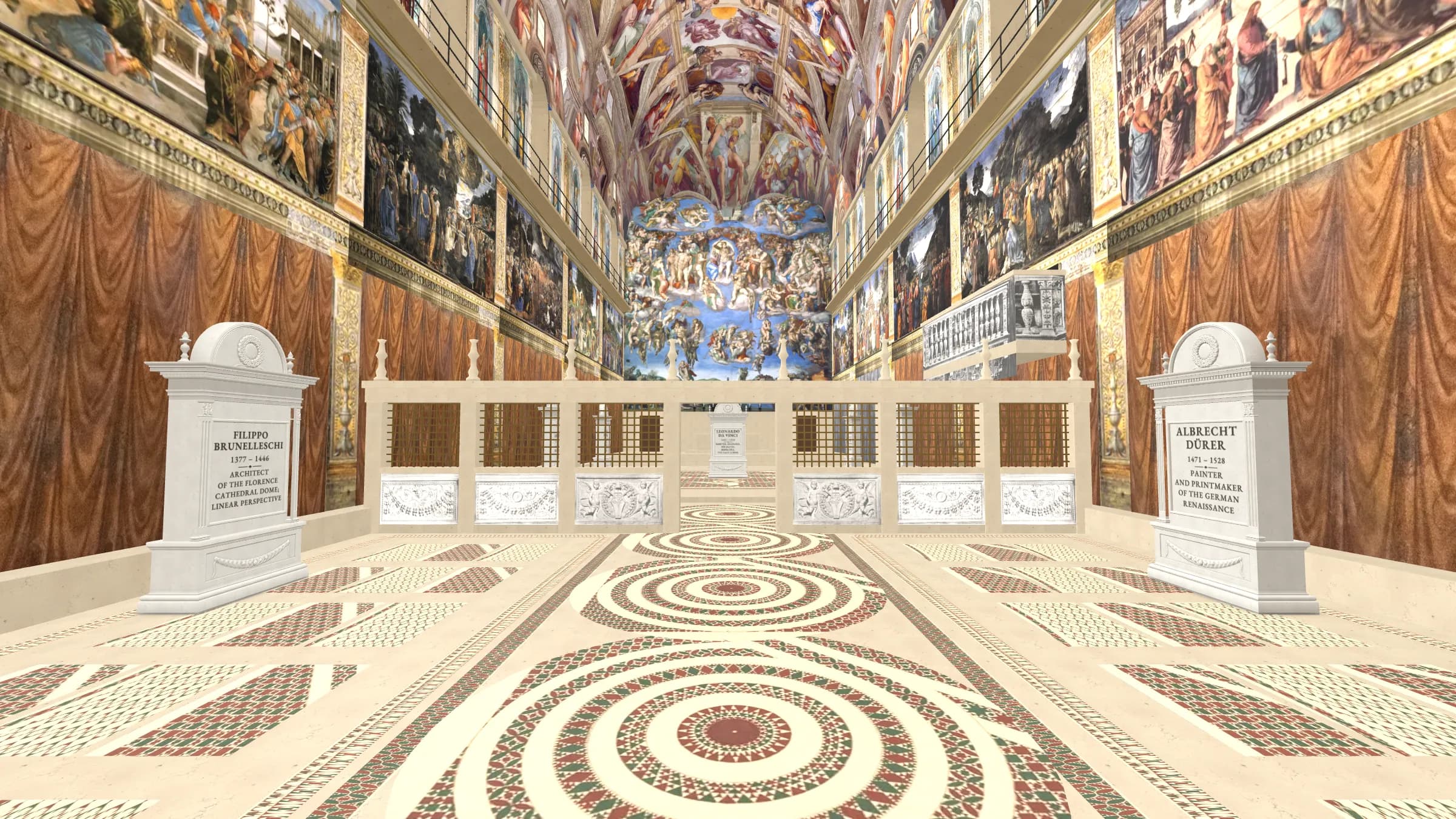
Every hall is modelled on a real building and dressed in photographs and scans of it: its frescoes, its marble, its gilding.
Stand before any figure to read who they were, when they lived and what they did, then go on to their page.
Domes, coffers and painted ceilings overhead. Turn round, tilt your head back, and take your time.
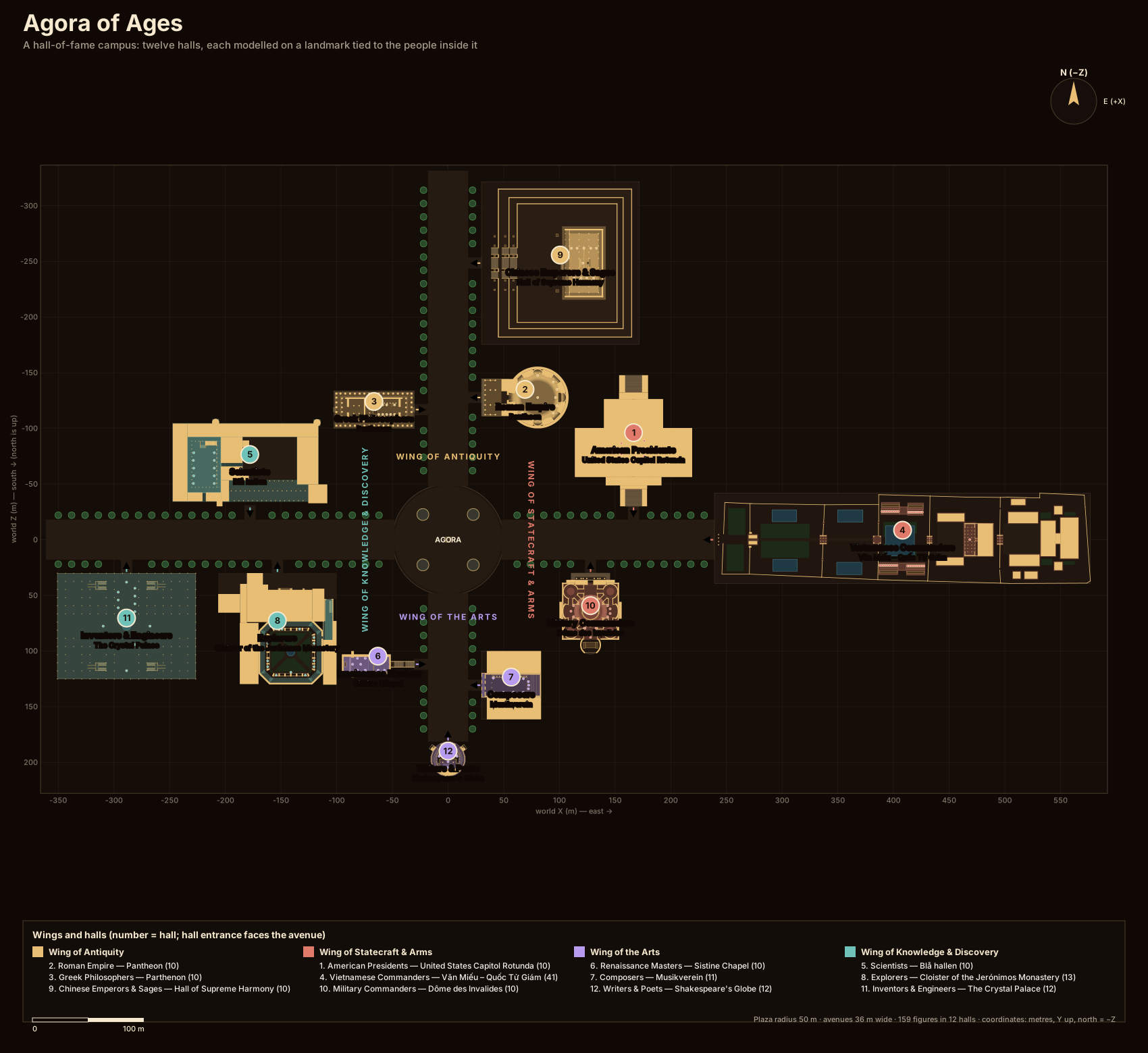
Leave one hall and stroll down the avenue to the next: twelve halls in four wings, from Rome and Athens to Hanoi and Beijing.
12 halls · 159 people
Each hall is a real landmark, chosen for the people who stand in it: presidents under the Capitol’s dome, painters in the Sistine Chapel, Vietnam’s commanders in the Temple of Literature.
Hall 1 · 10 people
Capitol Rotunda, Washington, D.C.
George Washington, James Madison, Andrew Jackson and 7 more
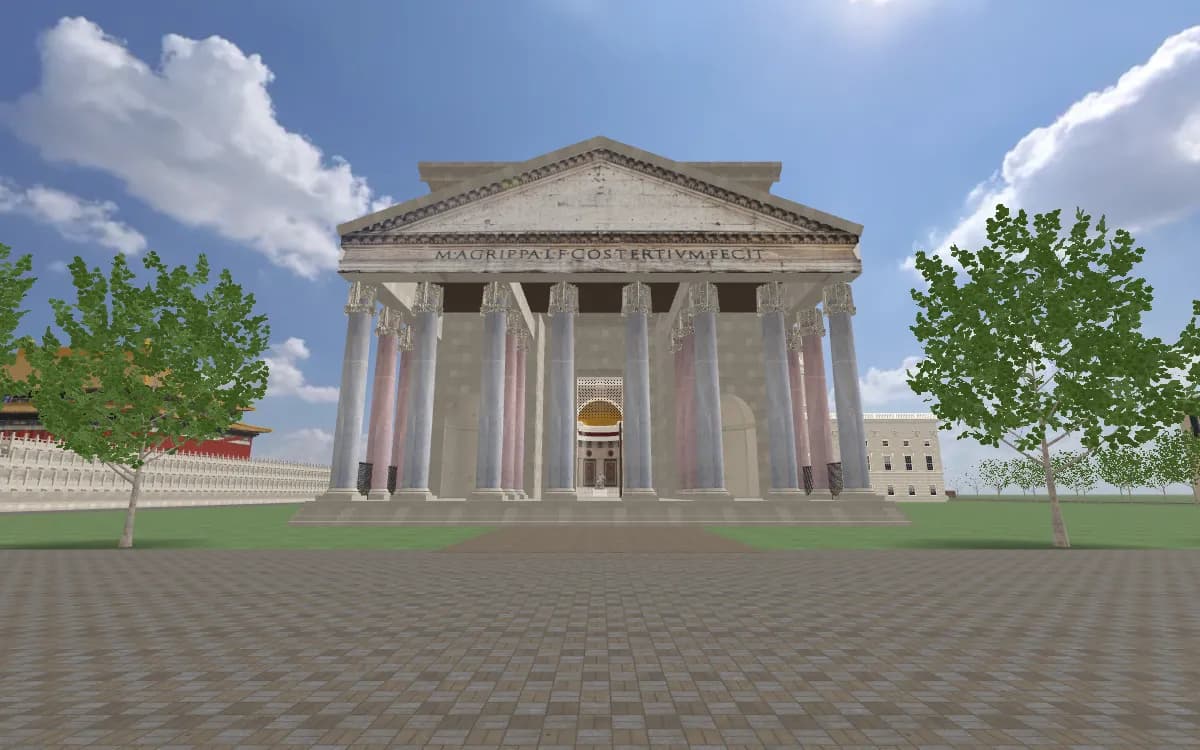
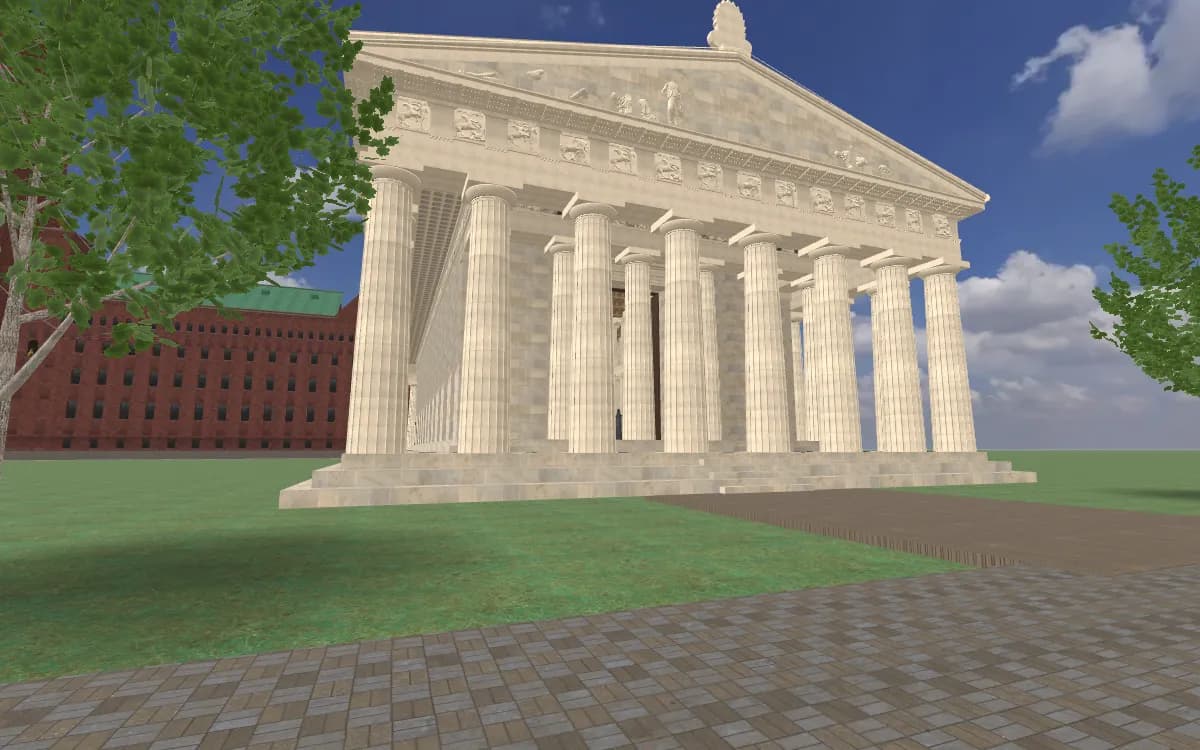
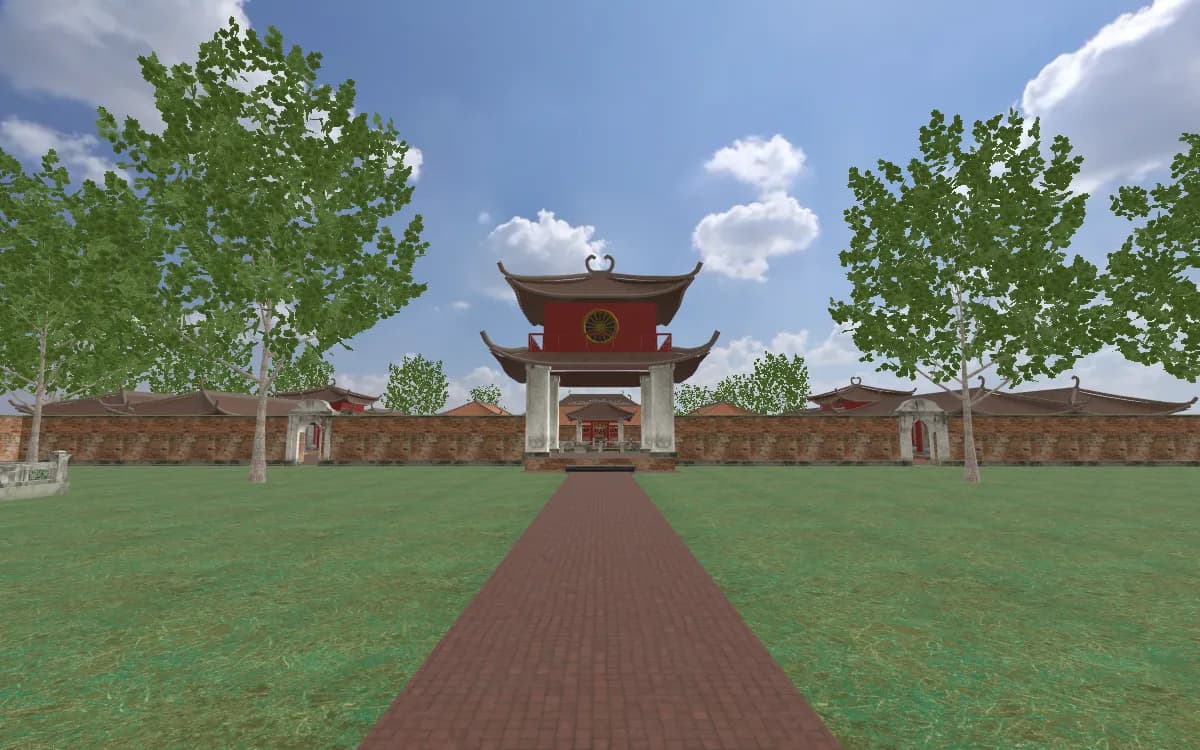
Hall 4 · 41 people
Temple of Literature, Hanoi
Hai Bà Trưng, Bà Triệu, Lý Nam Đế and 38 more
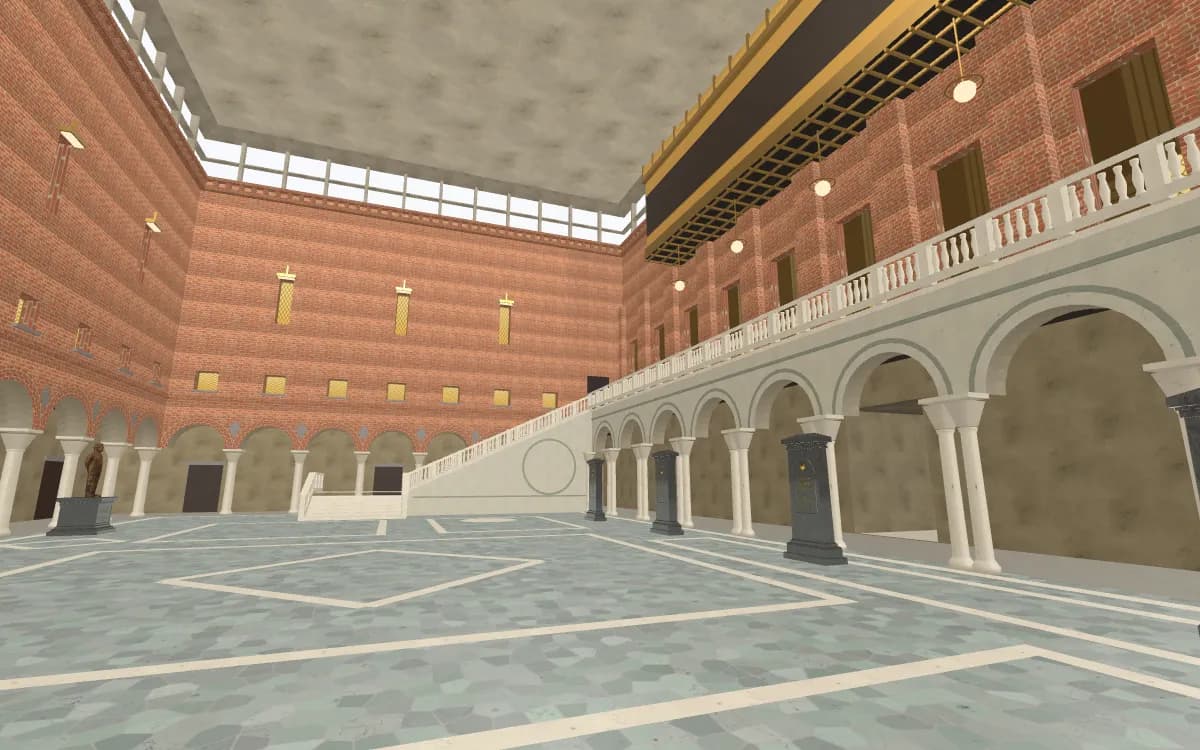
Hall 5 · 10 people
Stockholm City Hall, Stockholm
Galileo Galilei, Johannes Kepler, Isaac Newton and 7 more
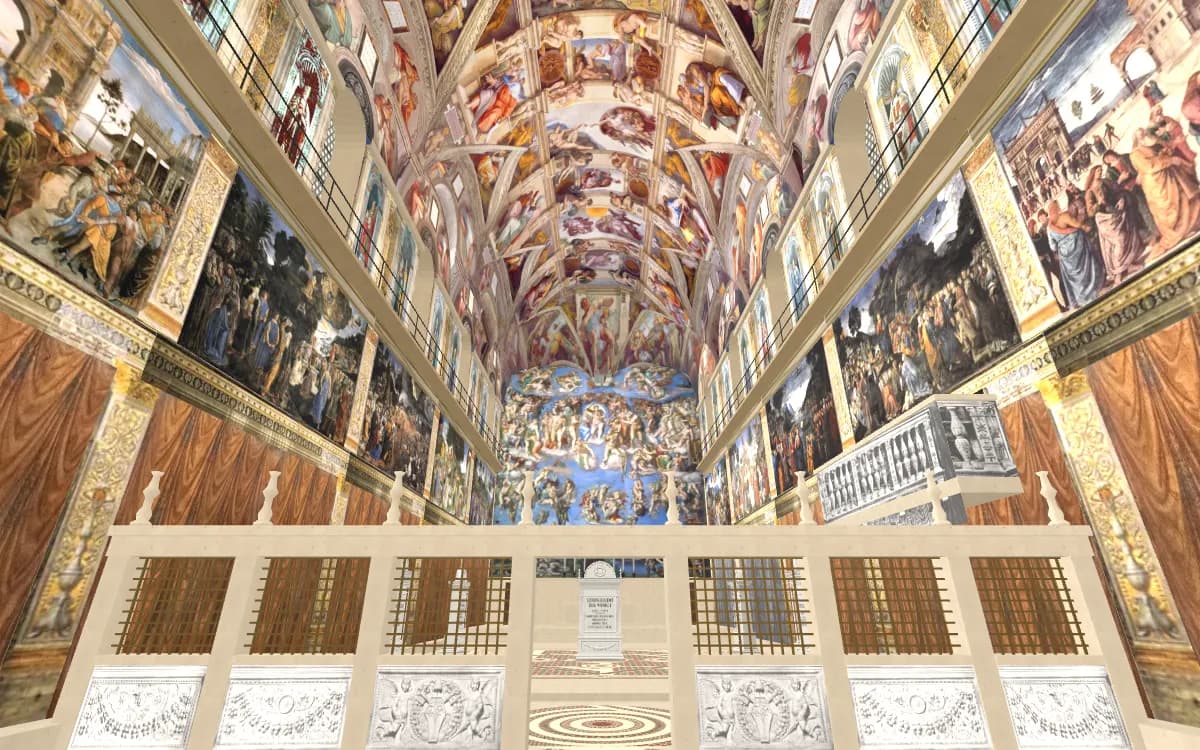
Hall 6 · 10 people
Sistine Chapel, Vatican City
Michelangelo, Leonardo da Vinci, Giotto di Bondone and 7 more
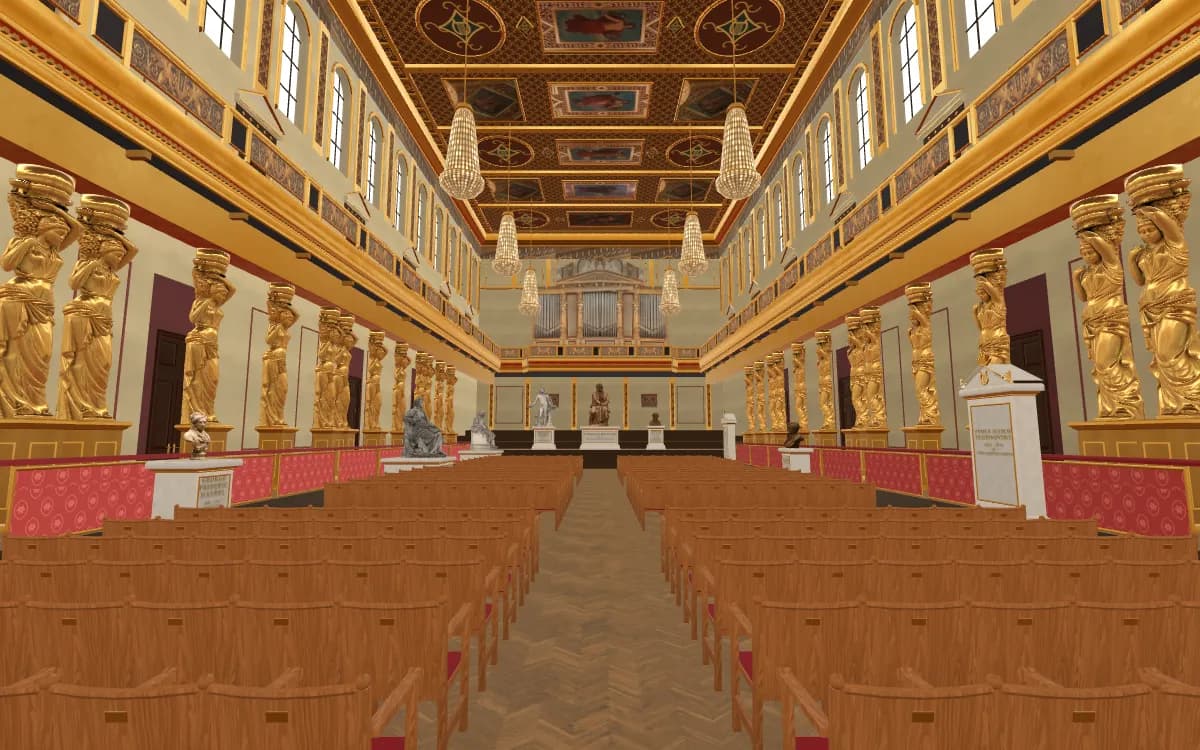
Hall 7 · 11 people
Musikverein, Vienna
Ludwig van Beethoven, Wolfgang Amadeus Mozart, Joseph Haydn and 8 more
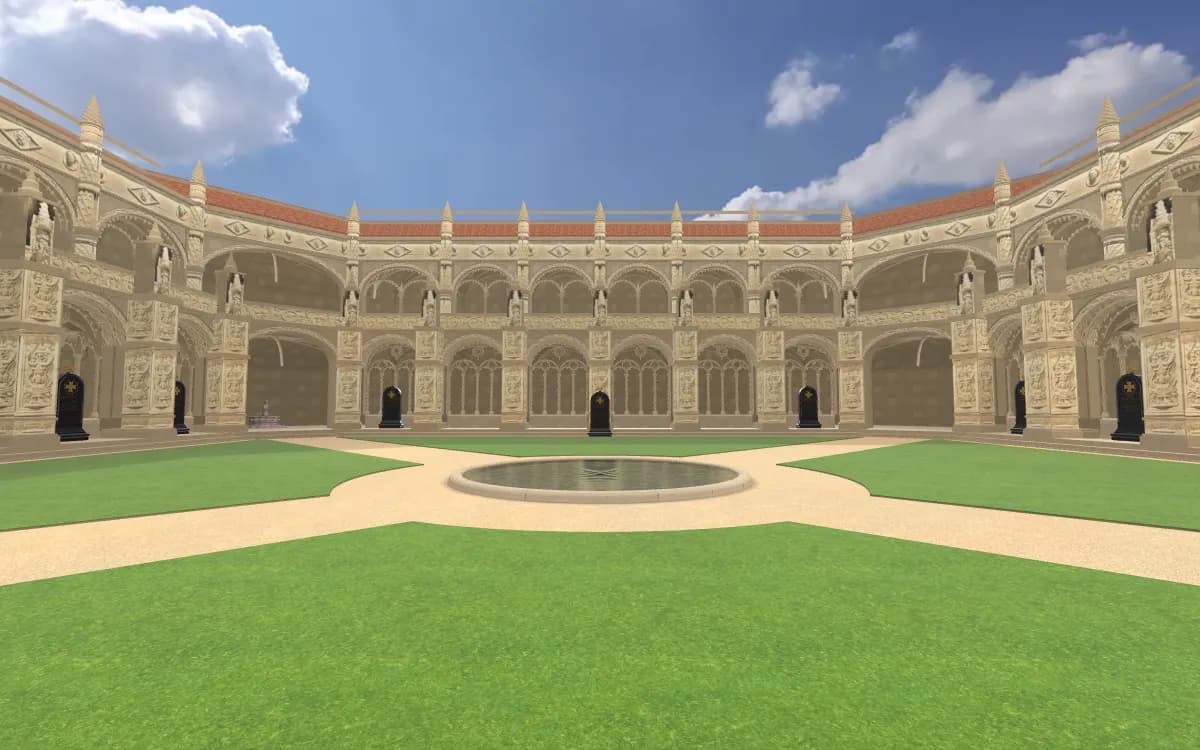
Hall 8 · 13 people
Jerónimos cloister, Lisbon
Leif Erikson, Marco Polo, Ibn Battuta and 10 more
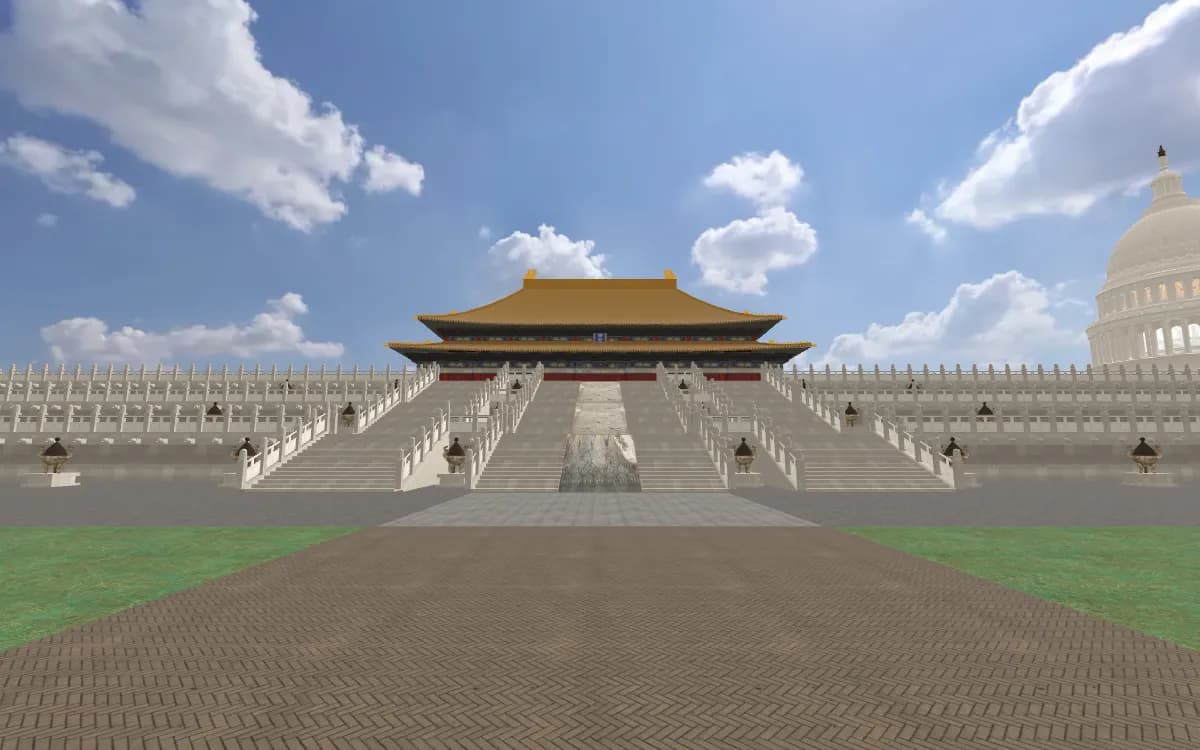
Hall 9 · 10 people
Hall of Supreme Harmony, Beijing
Qin Shi Huang, Confucius, Emperor Wu of Han and 7 more
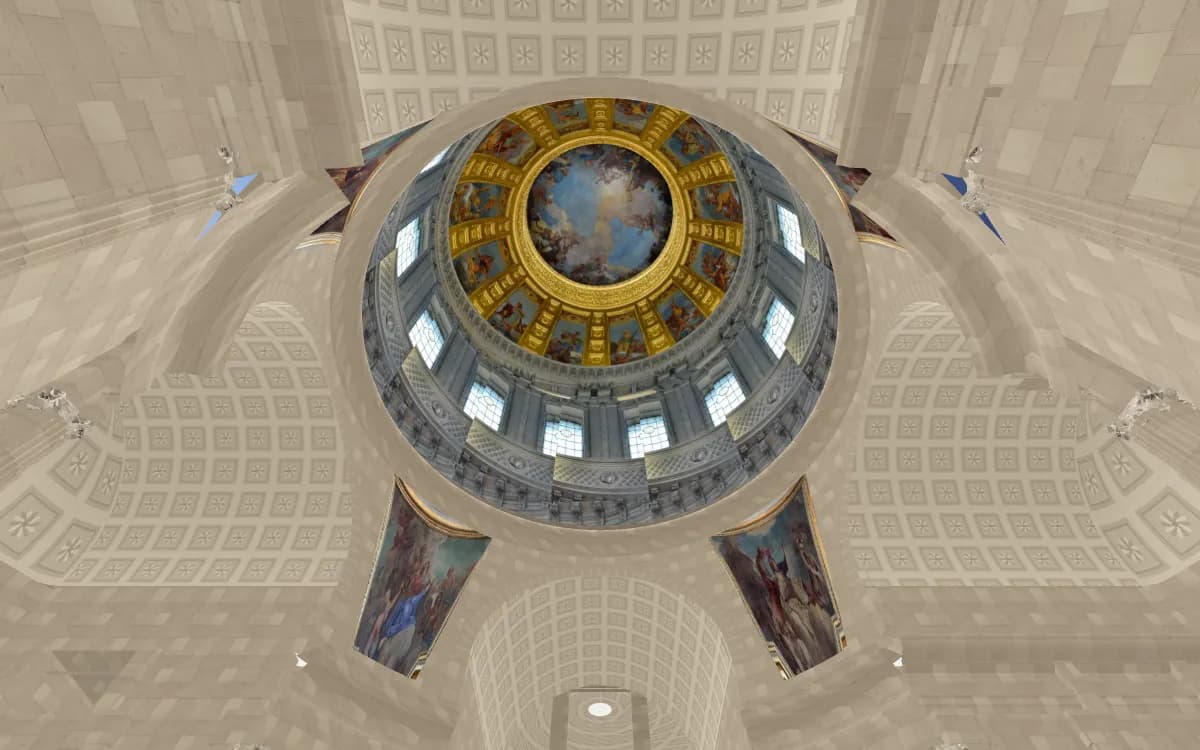
Hall 10 · 10 people
Dôme des Invalides, Paris
Napoleon Bonaparte, Alexander the Great, Hannibal and 7 more
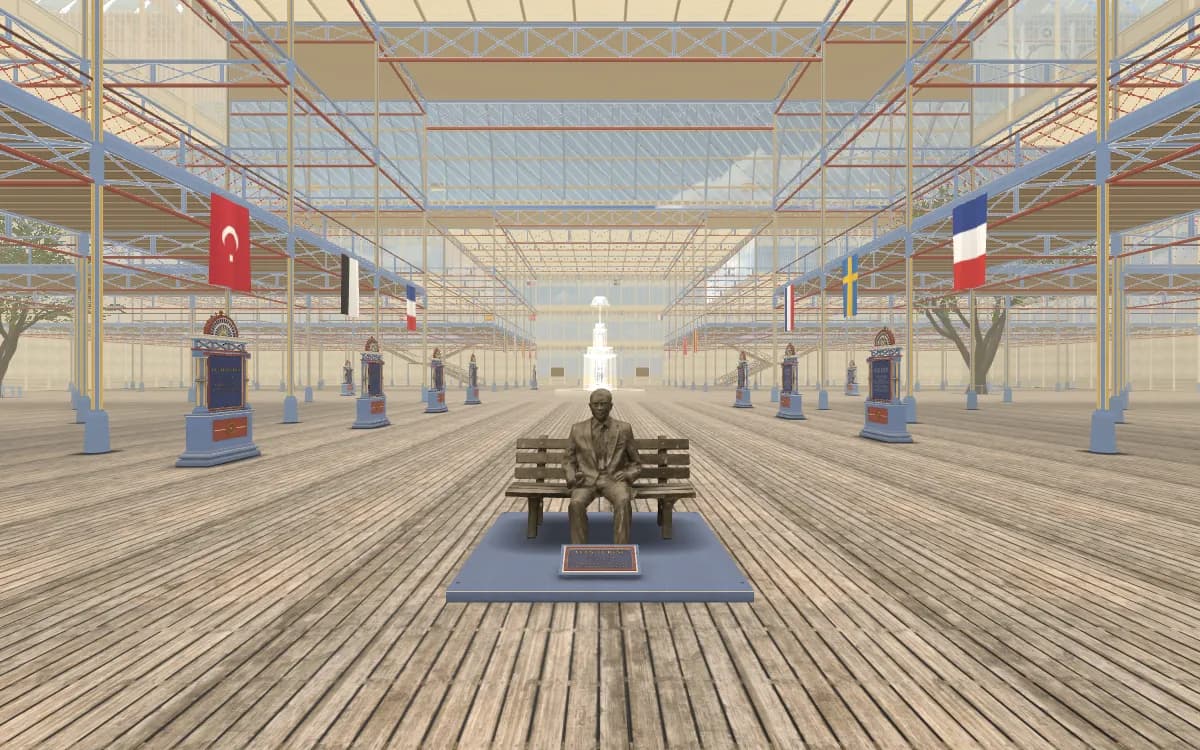
Hall 11 · 12 people
Crystal Palace, London
Alan Turing, Archimedes, Cai Lun and 9 more
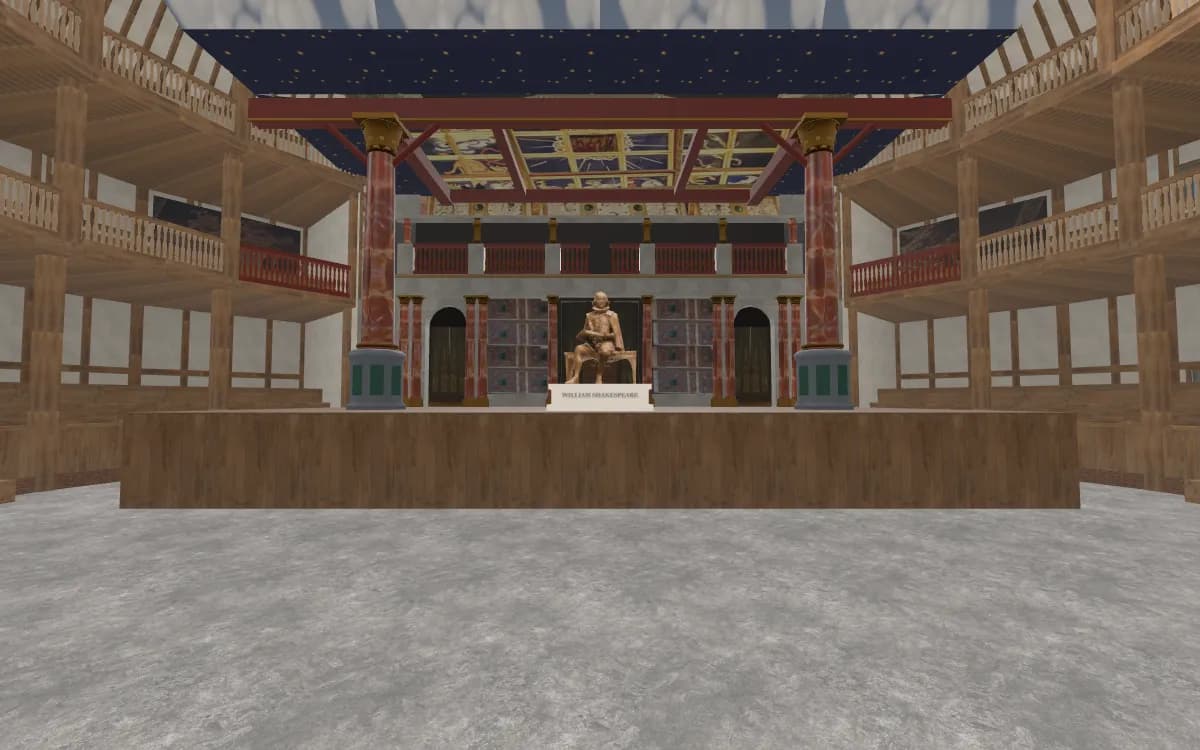
Hall 12 · 12 people
Shakespeare’s Globe, London
William Shakespeare, Homer, Virgil and 9 more
Why walk it
W A S D or the arrows on a keyboard, a swipe on a trackpad, a pad on a phone. Run, jump, or rise above the campus to see it whole.
Stand before anyone to read their plaque, open their card, and go on to their page and their story.
Statues from museums’ scans; walls, floors and ceilings from photographs of the real buildings. See who made what.
Nothing to install and no account to make. It runs on a computer, a tablet or a phone.
Everyone
Search by name, other names, role or hall, or narrow the list to a wing.
All 159 people
The plan
Each avenue is a wing, with its halls along it and their doors facing it. In metres, north up.
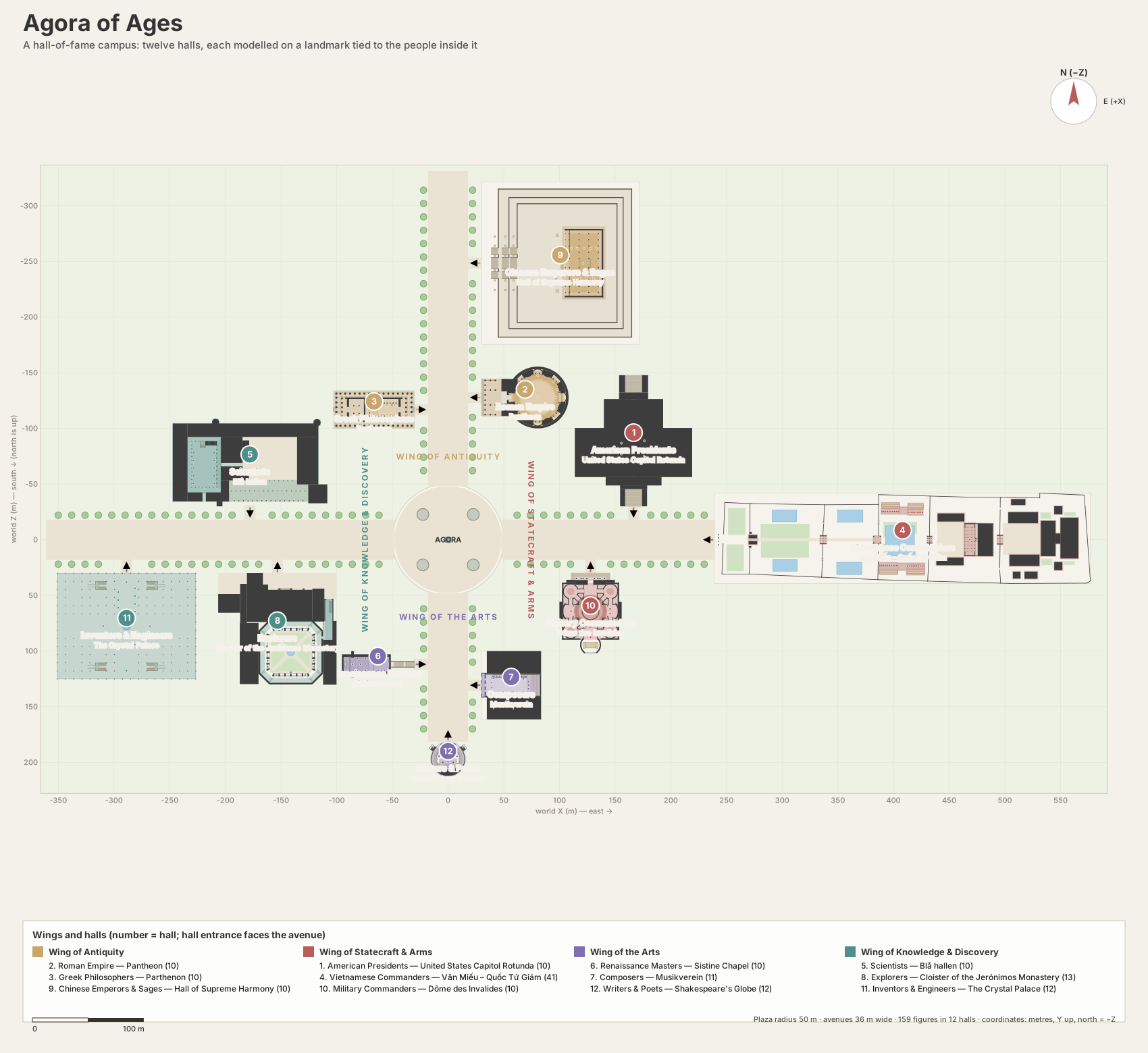
Two halls close their avenues: Vietnam’s commanders at the end of the east wing, the writers and poets at the end of the south.
Start on the plaza, in any hall, or face to face with someone you have always wanted to meet.
Or stand before